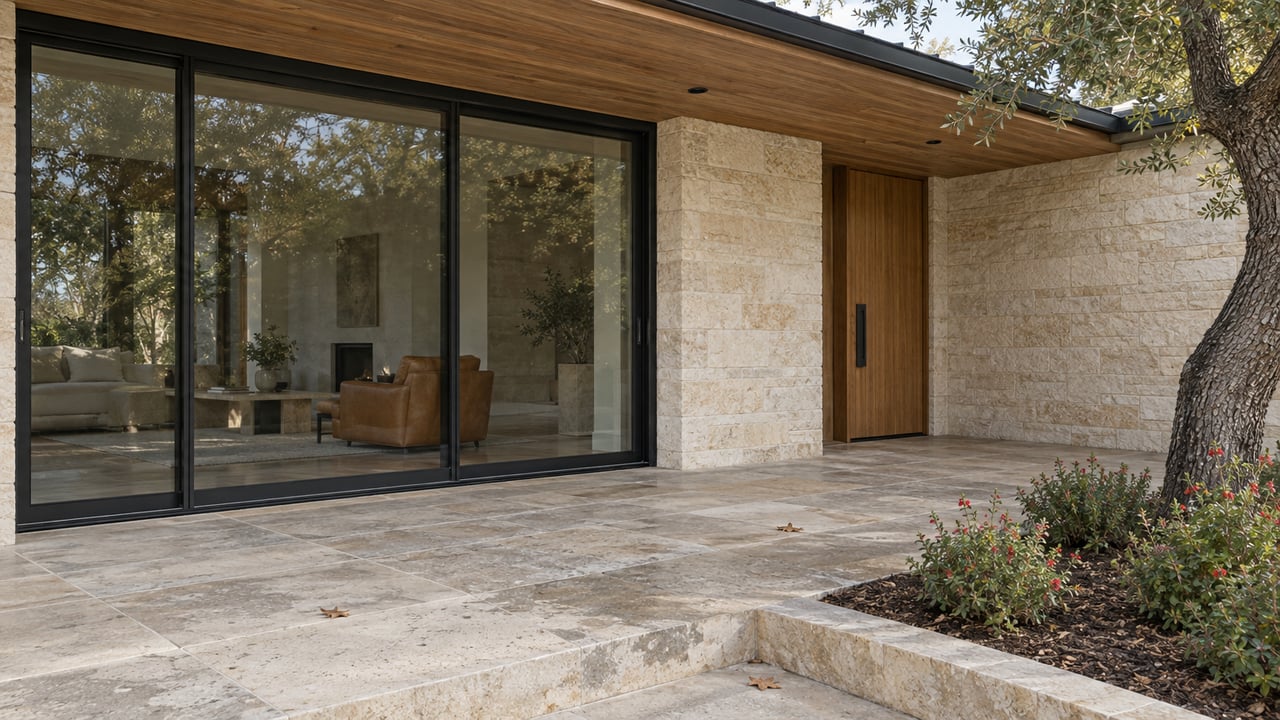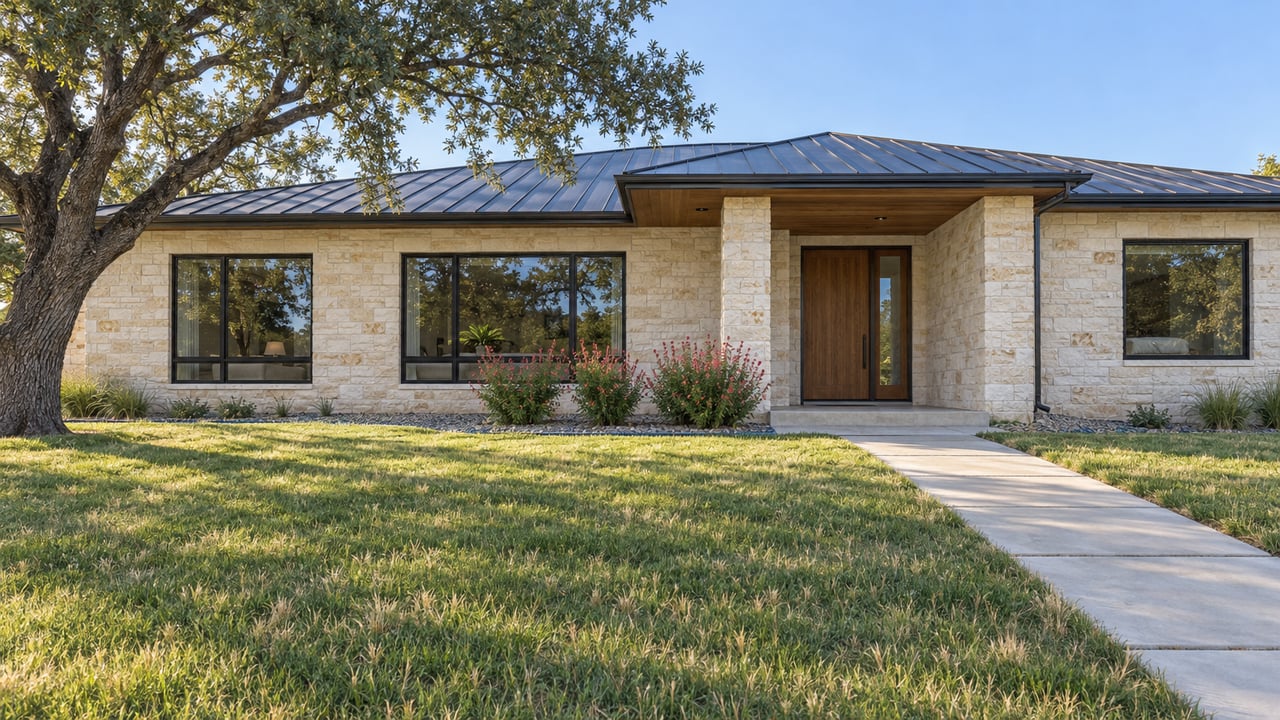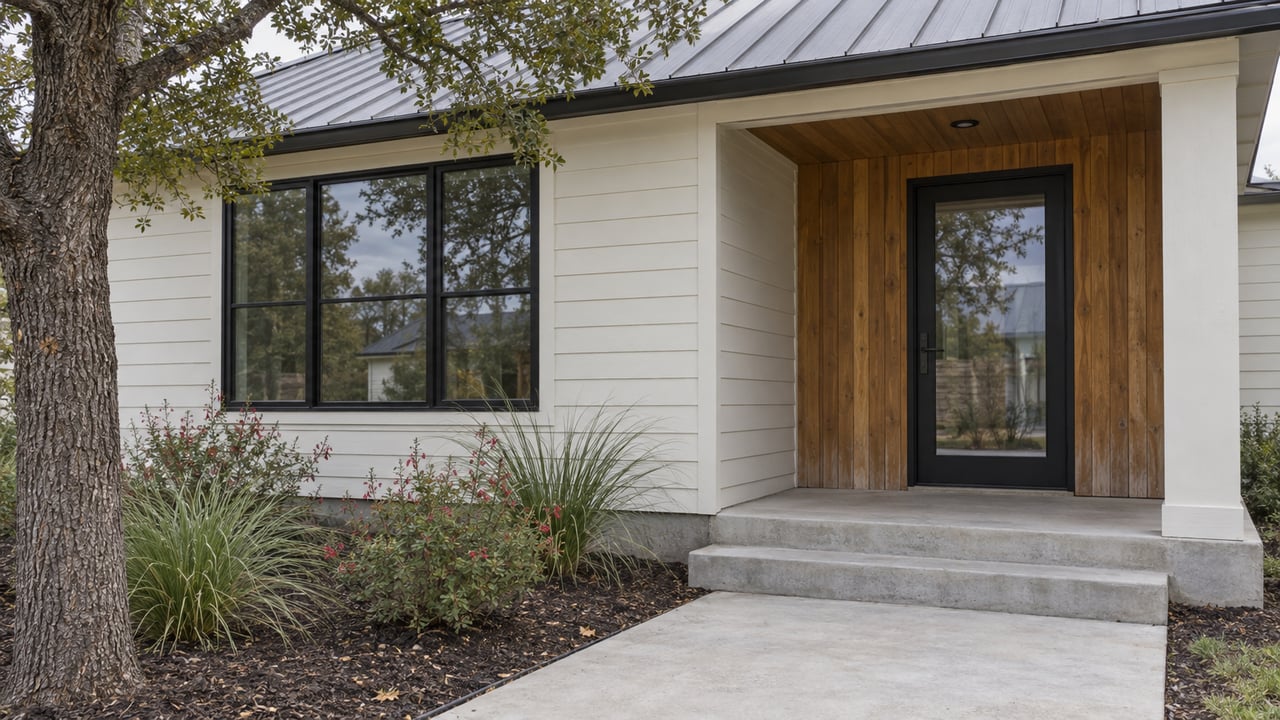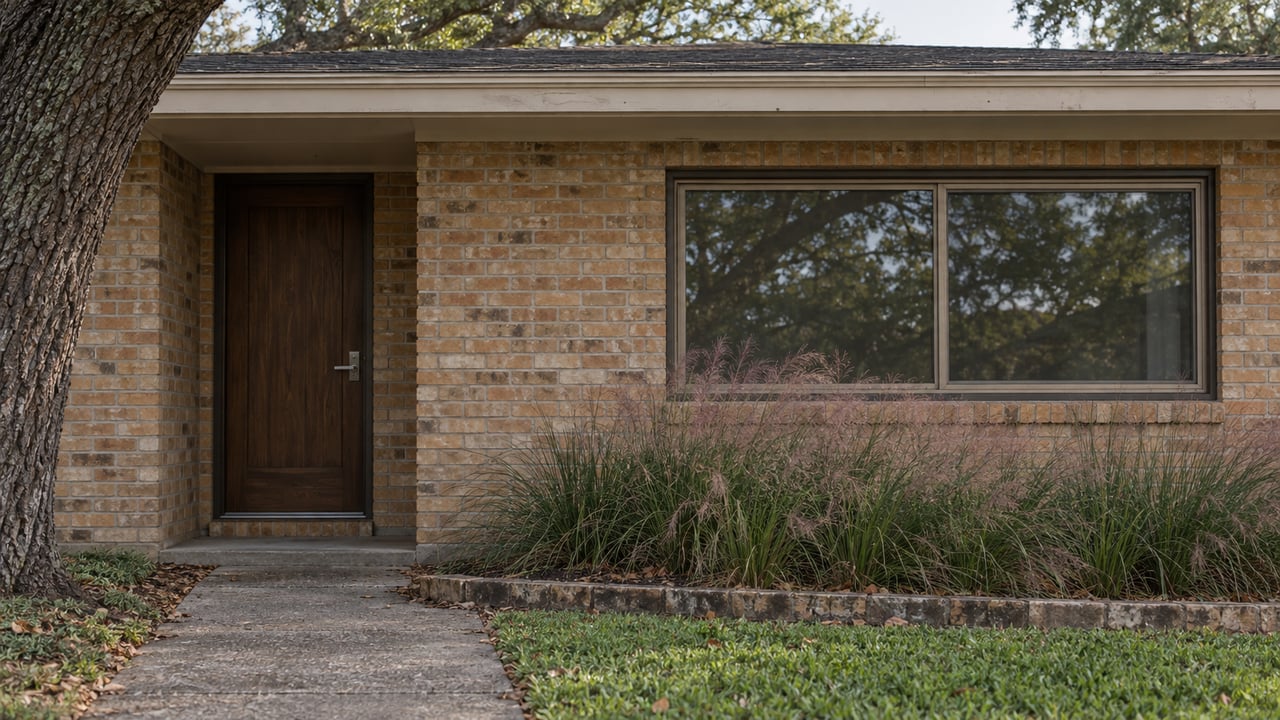
A 1970s ranch house with vinyl siding and a carport does not read as historic to most buyers walking through it. To the City of Austin's permit system, it might already be treated that way, and a survey now underway across East Austin is documenting older buildings.
Here is how the review works. Austin's Historic Preservation Office reviews all exterior changes to buildings 45 years or older, full stop, regardless of architectural style. Do the math from today: a house built in 1981 or earlier may already cross that line in 2026. If you are shopping for a fixer-upper anywhere in East Austin, the year on the county appraisal record matters more than whatever the front porch looks like in photos.
How the Age Line Can Affect a Permit
For most homes, that 45-year review is invisible. If you apply for a permit and your property isn't flagged as potentially significant, the application just gets internally routed and moves on. But if a reviewer thinks the property might qualify for landmark status, the application gets referred to the Historic Landmark Commission, and that changes your timeline. The commission meets on its own monthly schedule, not on your renovation schedule.
This is where the new survey matters, even though it doesn't rezone anything or touch anyone's tax bill. The East Austin Historic Resource Survey Update launched on June 12, 2026, run by Austin Planning's Historic Preservation Office with the consulting firm HHM & Associates. It covers the area bounded by Manor Road to the north, Lady Bird Lake to the south, Airport Boulevard to the east, and I-35 to the west, which is a wider stretch of the neighborhood than the blocks around East 6th and East 12th that usually come to mind first. The survey specifically targets buildings constructed before 1983.
The survey cutoff is earlier than the 50-year eligibility point. City code sets 50 years as the eligibility standard for full historic designation, which means a building from 1983 won't actually qualify until 2033. The city isn't waiting until then to start the paperwork. Historic Preservation Division Manager Kim McKnight put it directly: "We hope community members get involved to share stories that haven't been formally documented." Fieldwork, archival research, and community input are happening now, years ahead of when the youngest surveyed properties become formally eligible, so that by the time a given house crosses the 50-year line, the documentation already exists.
For an owner or buyer, that means a plain 1978 house sitting quietly in this survey area right now could already have a file being built that makes a future landmark nomination faster once the clock runs out. Nothing about the survey itself designates a single property. It is, in the city's own language, a planning tool that does not include zoning changes, land use changes, or property tax adjustments. The survey documents properties that could be considered for future designation; how proposed work is reviewed is a separate question.
What Design Review Actually Asks For
The Historic Landmark Commission's own case files show what this looks like in practice. One project currently working through commission review sits in a National Register district on East Monroe Street, where staff comments address whether the massing of new construction fits the block, whether the fenestration pattern matches neighboring houses, and whether metal roofing should be avoided on sections most visible from the street. None of that is about the underlying age of a structure. It is about whether new work reads as compatible with what's already standing next to it.
That level of scrutiny only applies once a property has landed in front of the commission, which typically happens after the 45-year exterior review flags it as potentially significant. For most East Austin fixer-uppers, this never becomes a factor. But if you're planning to replace a roof, extend a porch, or change window openings on the street-facing side of a home built before the early 1980s, it's worth asking your contractor or agent whether the address falls inside the current survey boundary before you set a renovation timeline that assumes a standard, unremarked permit.
The Precedent Is Already Standing
East Austin doesn't need to wait for a hypothetical to see what a fully designated district looks like. The Rogers Washington Holy Cross Historic District, roughly bounded by East 21st Street, Cedar Avenue, East Martin Luther King Jr. Boulevard, and Chestnut Avenue, is entirely residential and built almost entirely in Ranch, Minimal Traditional, Split Level, and Contemporary or Mid-Century Modern styles. Of its 55 properties, 47 are considered contributing to the historic character of the district. These are tract-style houses, not Victorians with turrets, and the city still designated the whole area.
A few blocks away, the Robertson/Stuart & Mair Historic District, which took in much of the older Robertson Hill area, went through local historic zoning with 59.5 percent of area landowners in support and 69 percent of its structures classified as contributing. City code requires a simple majority on both counts, 51 percent landowner support and 51 percent contributing structures, for a district to move forward. That's the actual bar a neighborhood has to clear to graduate from "surveyed" to "designated," and it's a landowner vote, not a city mandate imposed from outside.
What This Means If You're Looking at a Fixer-Upper
None of this should scare anyone off an older East Austin property. It should change what questions get asked before an offer goes in. Before assuming a straightforward renovation budget and timeline:
- Pull the build year from the county appraisal record, not just the listing description.
- Confirm whether the address falls inside the survey boundary (Manor Road, Lady Bird Lake, Airport Boulevard, I-35).
- If the exterior work is visible from the street, whether it's a roof, a porch, or an addition, ask whether recent comparable permits in the area were routed through standard review or referred to the commission.
There's a second layer worth knowing if you're buying to renovate rather than just to live in as-is. Much of East Austin, particularly around Govalle and Montopolis, sits on Blackland Prairie clay that shifts with the seasons, and Riverside Structural Foundation Pros says structural repair work like pier installation requires its own permit across the 78702, 78721, and 78722 zip codes. If that structural work also touches the exterior, a porch pier, a foundation line visible from the sidewalk, it can intersect with the same age-based review that governs cosmetic changes. Two different reasons to pull a permit, one shared trigger.
FAQ
Does being included in the survey change my zoning, land use, or property taxes? No. The city has stated explicitly that the survey is a planning and documentation tool only. It does not rezone properties, change permitted land uses, or adjust tax assessments on its own.
Does the 45-year review always slow down my permit? Not automatically. If a reviewer doesn't flag your property as potentially significant, your application is routed internally and proceeds like any other. The added time only comes into play if the property is referred to the Historic Landmark Commission, which happens on its own monthly meeting schedule.
Buying an older house in East Austin is still one of the more design-rewarding moves in Central Texas, clay soil and permit quirks included. If you're weighing a fixer-upper against the age lines this survey is drawing, Alli Heller can help you check the address before you fall for the porch.
This article is general information, not legal, tax or financial advice. Consult a qualified professional about your situation.