Walk East Cesar Chavez this week and you'll dodge two kinds of crowds: the regulars heading to dinner and the LEVITATION crowd migrating between venues for the festival's closing days. Both groups are, without quite realizing it, walking past the same real story on the east side right now. It isn't that new restaurants keep opening here, every neighborhood in Austin can say that. It's that almost none of them are new buildings.
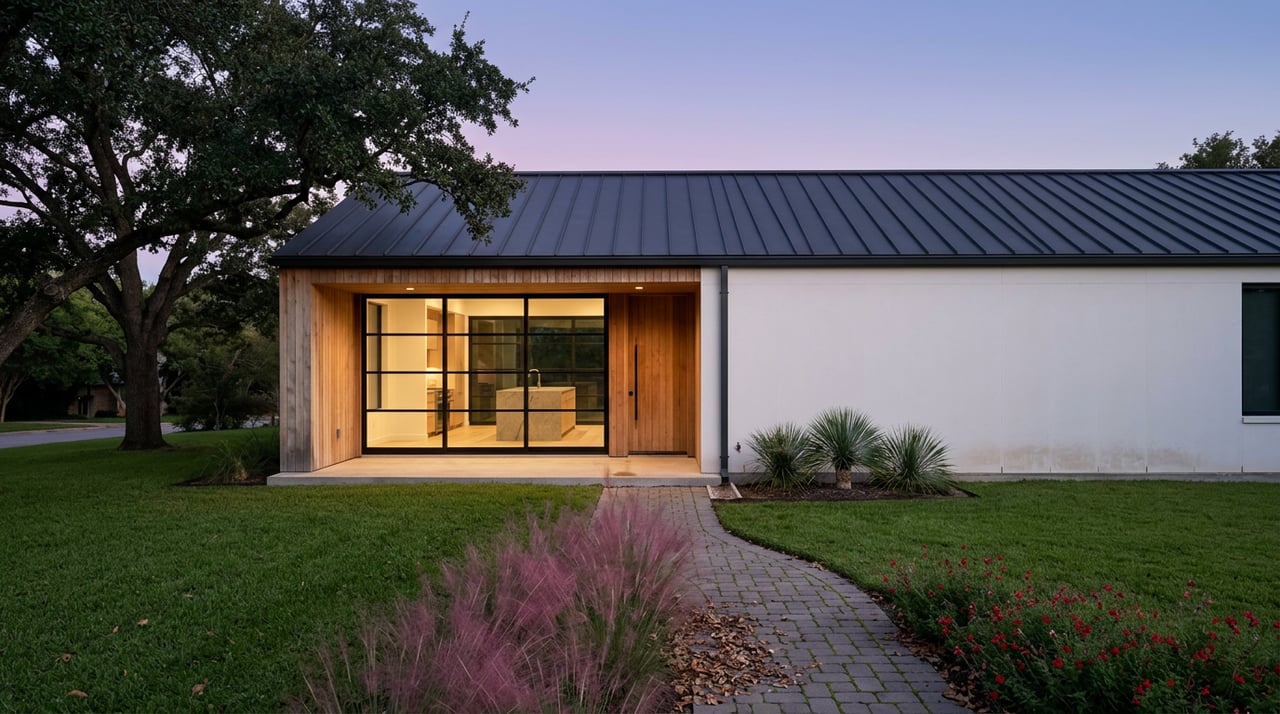
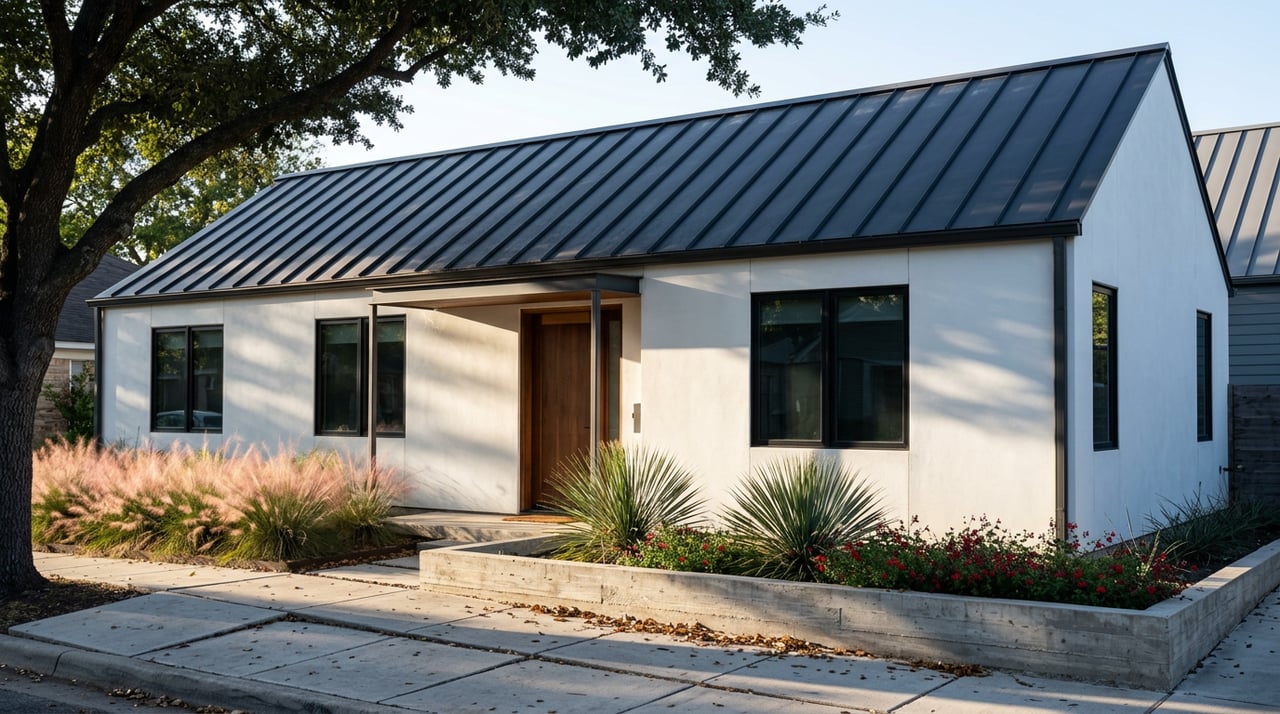
Austin Oyster Co. spent years as a pop-up before it finally found a permanent home this spring in a renovated 1950s bungalow on East Cesar Chavez, the kind of small wood-frame house that used to hold a family, not a raw bar. Konbini, the late-night sushi counter from Tare alumni Michael Carranza and Danielle Martinez, didn't build anything either. It's tucked behind papercut, the existing cocktail bar, walk-in only, no phone number to call ahead. Even the neighborhood's newest live-music room, East End Ballroom, is operating inside Arlyn Studios, a working recording facility, not a purpose-built venue.
That pattern matters more than any single opening. It tells you something the "best new restaurants" roundups don't say out loud: the east side's food and drink scene is expanding faster than its physical footprint. The same handful of small structures keep getting handed off to new operators, which means the neighborhood can feel like it's constantly changing while looking, from the sidewalk, almost exactly the same.
The Same Six Blocks, A Different Kitchen Every Few Months
This isn't a one-season fluke. Fiasco BBQ set up shop next to the existing bar Kinda Tropical last summer, borrowing foot traffic and proximity instead of building a standalone spot. Parley, a new bar that opened along the corridor last December, did the same thing operators here have been doing for years: find a small existing space, fill it, move on when someone else needs it.
Space Kat BBQ, from pitmaster Jack Zizzo, is the clearest example of what happens once you stop competing on real estate and start competing on menu. Instead of the brisket-turkey-pulled pork lineup that defines most Austin barbecue, Space Kat runs baby back ribs, chicken thighs, and slow-smoked coppa, dishes that don't need a pit the size of a shipping container to stand out. When your building isn't new, your differentiation has to come from somewhere else. Here, it comes from the plate.
Lion's Den Tea took the same logic in a different direction. It's a low-key matcha and specialty tea spot that also operates as a queer-owned sober space, hosting open mic nights, trivia, and karaoke. In a neighborhood where a lot of new openings are still bars, a sober hangout with a full events calendar is its own kind of format innovation, and it didn't require a ground-up build to pull off. Parking near it is tight, worth knowing before you go, but that's a small price for a spot doing something different from everyone else on the block.
Old Tape, New Crowd
If you needed a bigger example of the same pattern, this week gave you one. LEVITATION returned to Austin September 10 through 13, back in its original multi-venue format, spreading psych rock, darkwave, punk, and metal across Stubb's, Mohawk, Hotel Vegas, Elysium, 13th Floor, and Radio/East. Headliners this year include American Football, Bikini Kill, Molchat Doma, and Sleep. None of those venues are new. Most have been hosting touring acts on the east side and in the Red River corridor for well over a decade. The festival isn't renting glass and steel, it's renting history, and it's counting on that history to make the four days feel like an event rather than just a lineup.
That's worth sitting with if you live within walking distance. The venues doing the heaviest lifting this week, the ones absorbing thousands of visitors across four nights, are the same small rooms that have always been there. East Austin's identity isn't being built new. It's being reused, night after night, restaurant after restaurant, at a pace that would be much slower if every operator had to break ground first.
What This Means If You Live Here
Practically, the closing days of LEVITATION mean heavier foot and car traffic near Red River through the 13th, tighter parking around the festival venues, and a genuinely good excuse to walk instead of drive if you're within a mile or so. If you're heading out for a show, Konbini's walk-up counter is close enough to several venues to make a reasonable pre-show or post-show stop, assuming the line isn't already out the door.
Beyond this particular week, the bigger takeaway is about how to read new openings here going forward. When you hear that something new landed on the east side, the more useful question isn't just what's on the menu. It's what building they took over, and what that says about how tight the available space actually is. A neighborhood that keeps recycling its housing stock and its music venues into new concepts is a neighborhood where demand for a storefront, a bungalow, or a stage is outpacing the supply of any of them. That's not a subtle signal. It's the same six or eight blocks doing double and triple duty, over and over, because nobody's building more of them anytime soon.
If you've lived here a while, you've probably felt this without naming it. The restaurant that was here two years ago wasn't torn down and replaced with something bigger, it just became a different restaurant. The bar that used to be quiet on Tuesdays now hosts trivia. The recording studio that used to just record now serves brunch on Sundays. None of that requires a construction permit. It just requires someone deciding an old building has one more use left in it.
That's the actual story of East Austin's food and music scene in 2026. Not growth in square footage, but growth in turnover, packed into a stretch of the city that was never designed to hold this much activity and somehow keeps holding it anyway.
Whether you're grabbing oysters in a converted bungalow, catching a set at a studio-turned-supper-club, or just trying to find parking near Lion's Den Tea on a Tuesday night, you're watching a neighborhood get denser without getting taller. It's a strange kind of change, the kind that shows up in your dinner plans before it shows up in any skyline.
If you're curious how any of this east side momentum, the openings, the reused spaces, the packed festival weekends, actually shows up in home values and buyer interest around here, that's a conversation worth having. Alli Heller keeps a close eye on both sides of that equation. Let's Connect.